Are you attending?
Event Details
Welcome to La Vijanera 2027 in Silio
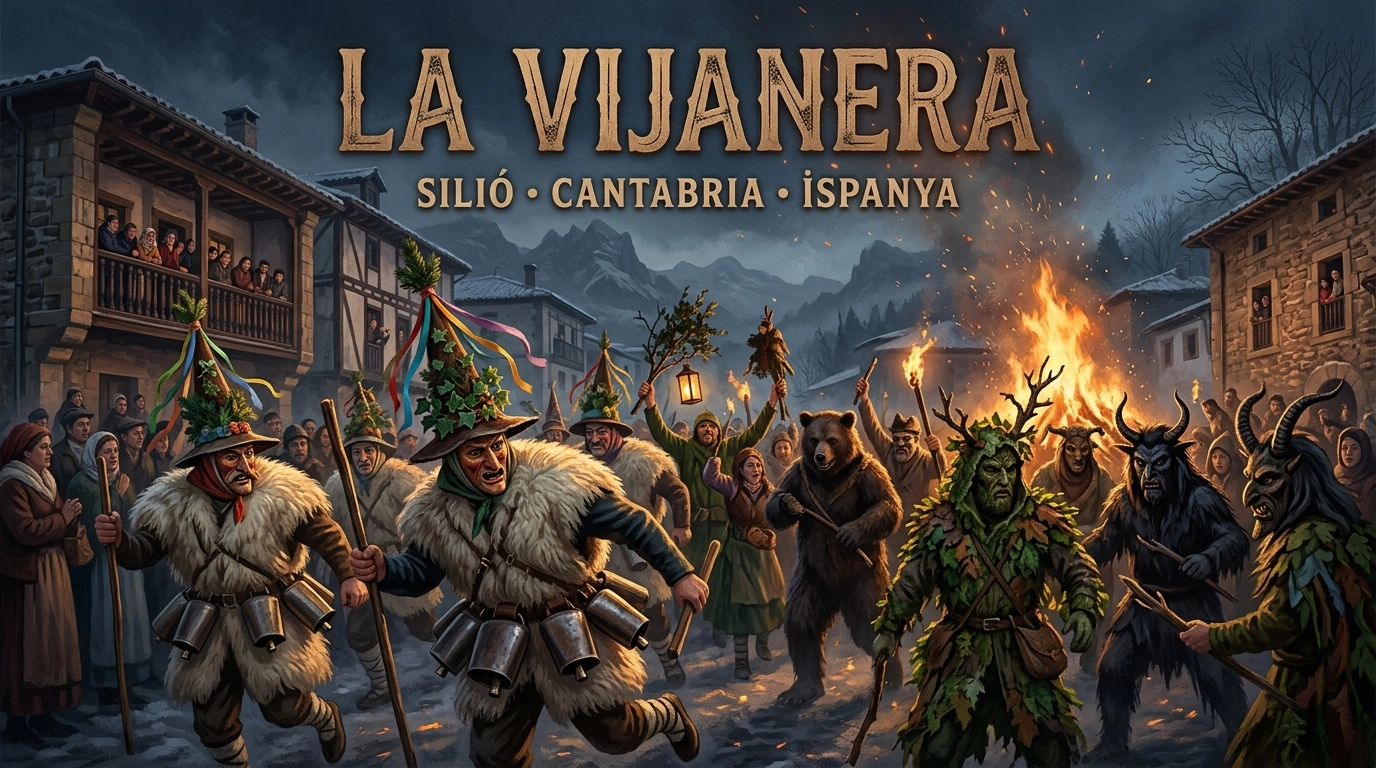
La Vijanera 2027 takes place on Sunday 3 January 2027 in the village of Silio (municipality of Molledo), Cantabria – on the first Sunday of the year. The winter masquerade is recognised as Bien de Interés Cultural Etnográfico Inmaterial and as a Fiesta de Interés Turístico Nacional. More than 150 participants in around 80 costumes process through the streets, staging the symbolic struggle between good and evil to welcome the new year with good omens. Admission is free.
Highlights & Attractions at La Vijanera in Silio
- Winter masquerade with over 150 participants and around 80 different costumes, masks and figures.
- Key characters: the zamarracos (zarramacos) as warriors of good, the oso (bear) as the embodiment of evil, trapajones, La Madama, La Pepa, Los Viejos and many more.
- Symbolic climax: capture and later “death” of the bear as the triumph of good and the driving away of evil spirits for the new year.
- Reading of the “coplas”: ironic verses on local and international events of the year just ended.
- “Parto de la Preñá”: the ritual birth of the new year within the programme.
- Photography contest (XX Concurso fotográfico Vijanera 2027) and music into the evening (traditional groups and a DJ in the tent at Las Escuelas).
- On the eve (2 January 2027) the children’s Vijanera infantil is held at 12:00.
Find Accommodation in Silio
Compare the best hotel prices for this event and secure your accommodation in time.
Free cancellation on most hotels
Program & Schedule: What to Expect in 2027
Times on the official site are indicative. Arrive before 10:00. The younger participants start at 06:00 with the Toque de los Campanos (cowbells) through the village. Main acts begin around 11:30 with the departure of the groups and the capture of the bear, followed by the Defensa de la Raya (about 12:30), the reading of the coplas and the Parto de la Preñá (about 13:30), and the “death of the bear” (about 14:30). After that the vijaneros process through the village into the evening; from about 15:00 there is traditional music and DJ sessions at Las Escuelas. Around 20:00 the last figures withdraw; the same evening a Tudanka concert is planned at Bar Lausana (Plaza de Santiago). The vijaneros walk in any weather. There are no stands or barriers – do not block the procession.
Tickets & Admission for La Vijanera Silio
La Vijanera is public and free; no tickets are sold. The “coplas” are not sold for a fixed price – a voluntary donation is requested at the stall in front of the templete, at the start of the main procession. Donations support the Asociación Cultural Amigos de la Vijanera. The interpretation centre (Centro de Interpretación / Museo La Vijanera) in the former Ermita de Santiago is a separate visit and typically costs about 2 euro for adults (children under 12 often free); guided visits by appointment only. Check vijanera.com for the latest details.
Visitor Tips: Travel & Accommodation in Silio
- Getting there: Silio has a single main entrance. From the A-67 take the Santa Cruz de Iguña/Molledo exit (north), drive through Molledo, then turn left to Silio (about 1 km more). From the south, exit at Santiurde de Reinosa, continue via Bárcena towards Molledo; after the level crossing and the bridge over the Besaya, turn right to Silio. From about 12:00 the road may be closed; follow civil protection signs to temporary parking in fields. Arrive before 10:00.
- Weather and clothing: Early January in Cantabria is often cold, wet and windy. Wear warm layers, a waterproof jacket and sturdy shoes – the procession goes ahead in any weather.
- Where to stay and eat: Capacity in the village and the Valle de Iguña is limited. Book early; use businesses listed on the official photo-contest poster. Expect queues at the few bars and restaurants.
- Respect the ritual: Do not obstruct the vijaneros; many characters use sticks to clear a path. The route is not marked. Organisers ask visitors not to call it “the first carnival of the year” – the name is La Vijanera.
- What else to see: the 12th-century Romanesque church of San Facundo y San Primitivo, Casa Torre de Obregón, the Centro de Interpretación de la Vijanera (book ahead), and Parque de la Colina – traditionally one of the places where the bear is captured.
Note: The information on this page was researched at the time of writing and may have changed since then (e.g. date, venue, or program). Visit the organizer's official website →
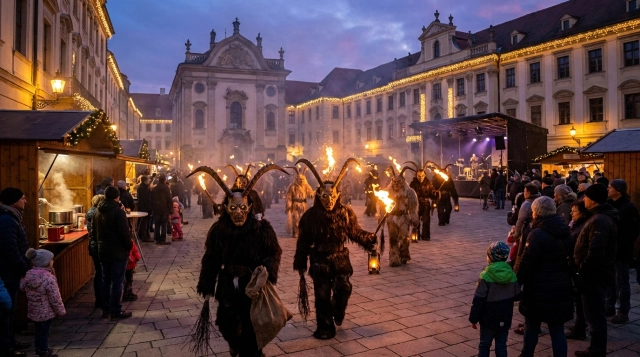
The photo used is illustrative and does not necessarily depict the actual event.